
125 lines
3.7 KiB
Markdown
125 lines
3.7 KiB
Markdown
# Prompt Chaining Workflow Example
|
|
|
|
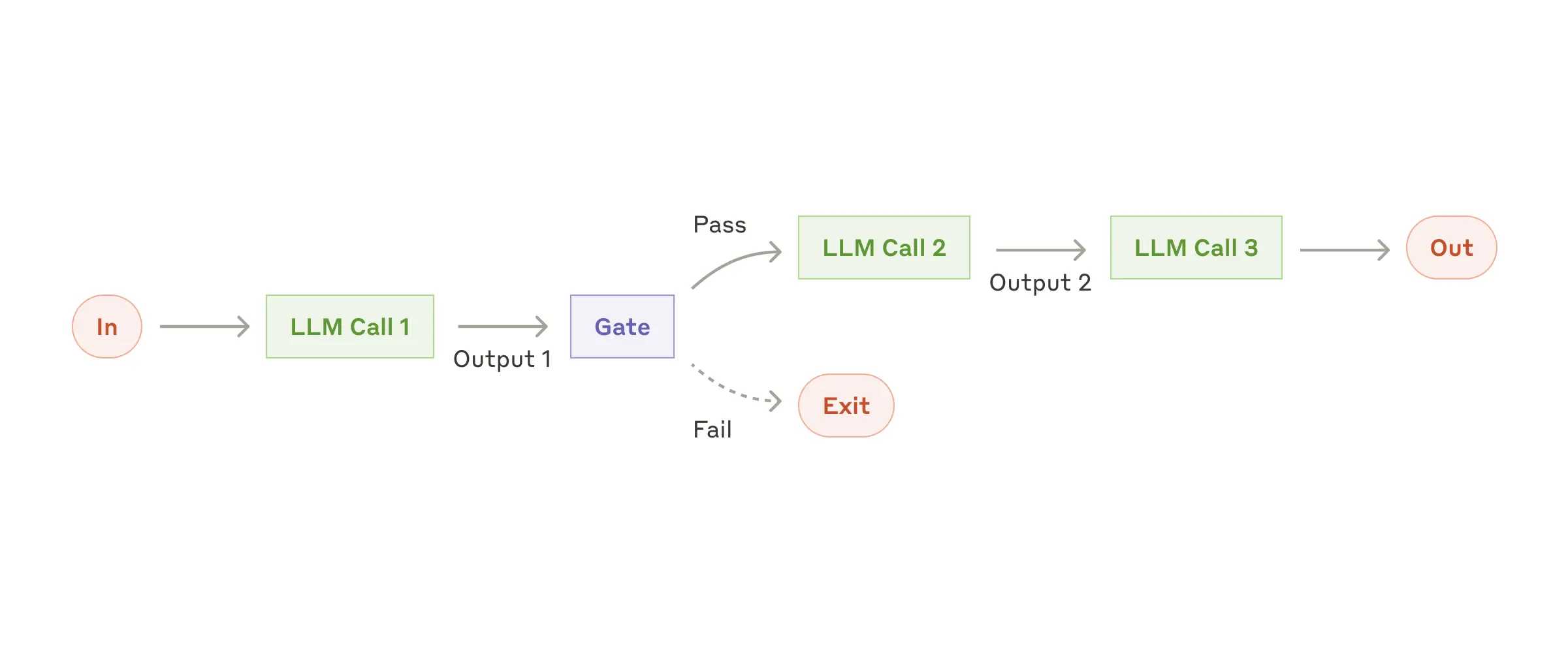
This project demonstrates the Prompt Chaining workflow pattern for Large Language Models (LLMs) using Spring AI. The pattern decomposes complex tasks into a sequence of steps, where each LLM call processes the output of the previous one.
|
|
|
|
|
|
|
|
## Overview
|
|
|
|
The prompt chaining pattern is particularly useful when:
|
|
- Complex tasks can be broken down into simpler, sequential steps
|
|
- Each step's output needs to be validated or transformed
|
|
- The process requires maintaining a clear chain of transformations
|
|
|
|
This implementation shows a four-step workflow for processing numerical data in text:
|
|
1. Extract numerical values and metrics
|
|
2. Standardize to percentage format
|
|
3. Sort in descending order
|
|
4. Format as markdown table
|
|
|
|
## Technical Requirements
|
|
|
|
- Java 17 or higher
|
|
- Spring Boot 3.4.1
|
|
- Spring AI 1.0.0-M5
|
|
- Ollama (for LLM integration)
|
|
|
|
## Getting Started
|
|
|
|
1. Install and start Ollama following the instructions at [ollama.ai](https://ollama.ai)
|
|
|
|
2. Build the project:
|
|
```bash
|
|
./mvnw clean install
|
|
```
|
|
|
|
3. Run the application:
|
|
```bash
|
|
./mvnw spring-boot:run
|
|
```
|
|
|
|
## Example Usage
|
|
|
|
The example processes a Q3 performance report through the chain of prompts. Here's the sample input:
|
|
|
|
```text
|
|
Q3 Performance Summary:
|
|
Our customer satisfaction score rose to 92 points this quarter.
|
|
Revenue grew by 45% compared to last year.
|
|
Market share is now at 23% in our primary market.
|
|
Customer churn decreased to 5% from 8%.
|
|
New user acquisition cost is $43 per user.
|
|
Product adoption rate increased to 78%.
|
|
Employee satisfaction is at 87 points.
|
|
Operating margin improved to 34%.
|
|
```
|
|
|
|
The workflow processes this through four steps:
|
|
|
|
1. **Extract Values**: Pulls out numerical values and their metrics
|
|
```
|
|
92: customer satisfaction
|
|
45%: revenue growth
|
|
23%: market share
|
|
5%: customer churn
|
|
43: user acquisition cost
|
|
78%: product adoption
|
|
87: employee satisfaction
|
|
34%: operating margin
|
|
```
|
|
|
|
2. **Standardize Format**: Converts values to percentages where applicable
|
|
```
|
|
92%: customer satisfaction
|
|
45%: revenue growth
|
|
23%: market share
|
|
5%: customer churn
|
|
78%: product adoption
|
|
87%: employee satisfaction
|
|
34%: operating margin
|
|
```
|
|
|
|
3. **Sort**: Orders values in descending order
|
|
```
|
|
92%: customer satisfaction
|
|
87%: employee satisfaction
|
|
78%: product adoption
|
|
45%: revenue growth
|
|
34%: operating margin
|
|
23%: market share
|
|
5%: customer churn
|
|
```
|
|
|
|
4. **Format**: Creates a markdown table
|
|
```markdown
|
|
| Metric | Value |
|
|
|:--|--:|
|
|
| Customer Satisfaction | 92% |
|
|
| Employee Satisfaction | 87% |
|
|
| Product Adoption | 78% |
|
|
| Revenue Growth | 45% |
|
|
| Operating Margin | 34% |
|
|
| Market Share | 23% |
|
|
| Customer Churn | 5% |
|
|
```
|
|
|
|
## Implementation Details
|
|
|
|
The workflow is implemented in two main classes:
|
|
|
|
1. `ChainWorkflow.java`: Contains the core logic for the prompt chaining pattern, including:
|
|
- System prompts for each transformation step
|
|
- Chain execution logic
|
|
- Gate validation between steps
|
|
|
|
2. `Application.java`: Provides the Spring Boot setup and example usage:
|
|
- Sample input data
|
|
- Spring AI configuration
|
|
- Command-line runner for demonstration
|
|
|
|
Each step in the chain acts as a gate that validates and transforms the output before proceeding to the next step, ensuring the process stays on track.
|
|
|
|
## References
|
|
|
|
This implementation is based on the prompt chaining pattern described in Anthropic's research paper [Building Effective Agents](https://www.anthropic.com/research/building-effective-agents).
|